


Orthopedic Surgery in Tunisia
Knee Prosthesis


The knee compartment consists of a tibial and femoral compartment of the patella. Each part is covered with cartilage. When there is wear it, the articular contact is bone against bone, the pain becomes very important, sometimes even debilitating. This is osteoarthritis of the knee (gonarthrosis).
There are two types of knee prosthesis. The uni-compartmental prosthesis (denture-half): it can be femorotibial external, but mostly internal tibiofemoral or patellofemoral. It replaces a single compartment injured, the other two compartments and ligaments to be healthy.
The full denture replaces all three compartments. It includes:
- A tibial element polyethylene on a metallic base
- A metal femoral component
- A patellar component polyethylene
You and your surgeon agree to the establishment of a hip prosthesis. It will therefore carry out reviews:
- Blood test
- Consultation with a cardiologist
- For infections:
- Urinalysis
- Dental panoramic radiography to have it checked by your dentist.
- Consultation with the anesthetist provided with all your test results and the order of your ongoing treatment. This one you indicated the type of anesthesia best suited (general anesthesia or spinal anesthesia). It will organize to stop certain treatments that interact with coagulation.
- Tell your surgeon if you want an outlet at home or in a convalescent home or rehabilitation.
After surgery you will be offered a return home if you are helped in everyday life and stay in a convalescent home or rehabilitation of approximately three weeks. The son will be removed on the 15th day after surgery. Once you complete healing can take showers.
Regular consultations with your surgeon control are essential even if everything seems normal:
- On the 15th day
- At 30 or 45th day
- At 3 months, 6 months, 1 year
- Then every 5 years.
It takes a minimum of six months of rehabilitation at 3 to 5 sessions per week. Very quickly you will regain a normal walking without limping, without pain and regaining mobility. Some non-violent sports are allowed, such as walking, cycling, gymnastics.
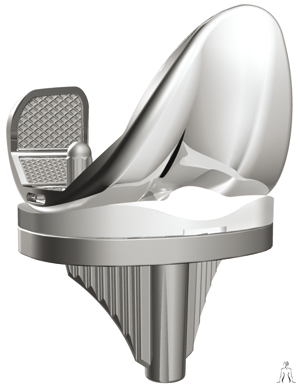
The total knee replacement
|
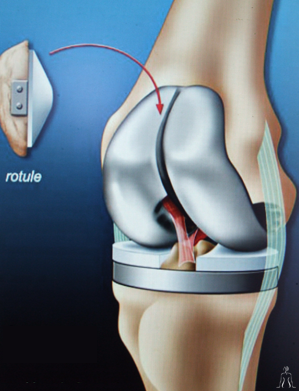
The prosthesis after surgery
|

 Sleep position and other habits can affect facial aging
While getting enough sleep is one of the things doctors recommend in the fight against aging, how you sleep could also make a difference.
Sleep position and other habits can affect facial aging
While getting enough sleep is one of the things doctors recommend in the fight against aging, how you sleep could also make a difference. New study finds that a facelift can make you look about seven years younger. A scientific study published online, February 21, 2012, in Archives of Facial Plastic Surgery demonstrates that a facelift and other facial cosmetic surgeries can alter your appearance so that you appear about seven years younger than your actual age.
 Why is plastic surgery a growing trend in teens? According to Utah's Daily Herald newspaper, teenagers are getting plastic surgery to improve their chances in an increasingly competitive society.
 According to the American Society for Aesthetic Plastic Surgery, "As more patients of color present for surgery, it is becoming increasingly important to have techniques that address their individual needs. It is vital to preserve the ethnic heritage of the given patient."